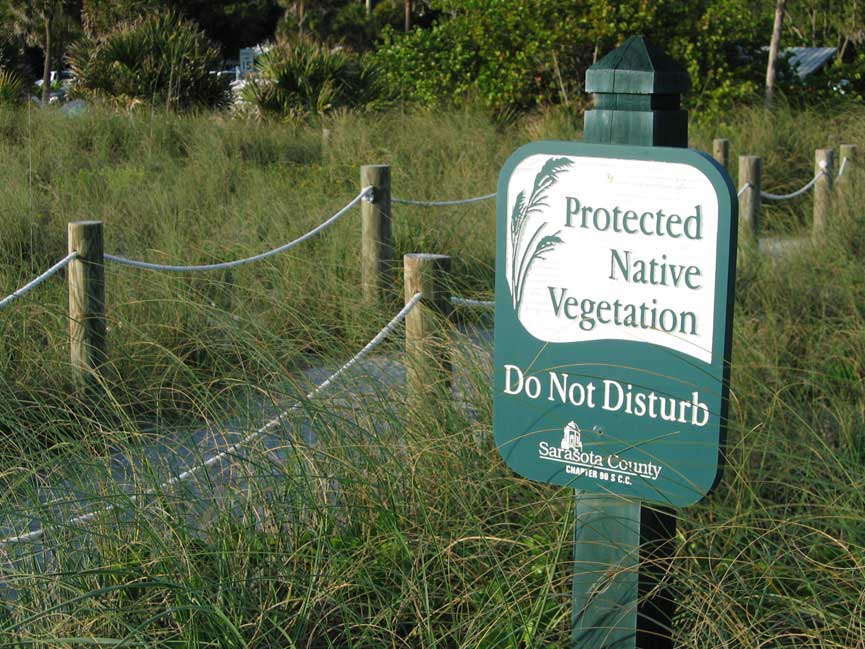
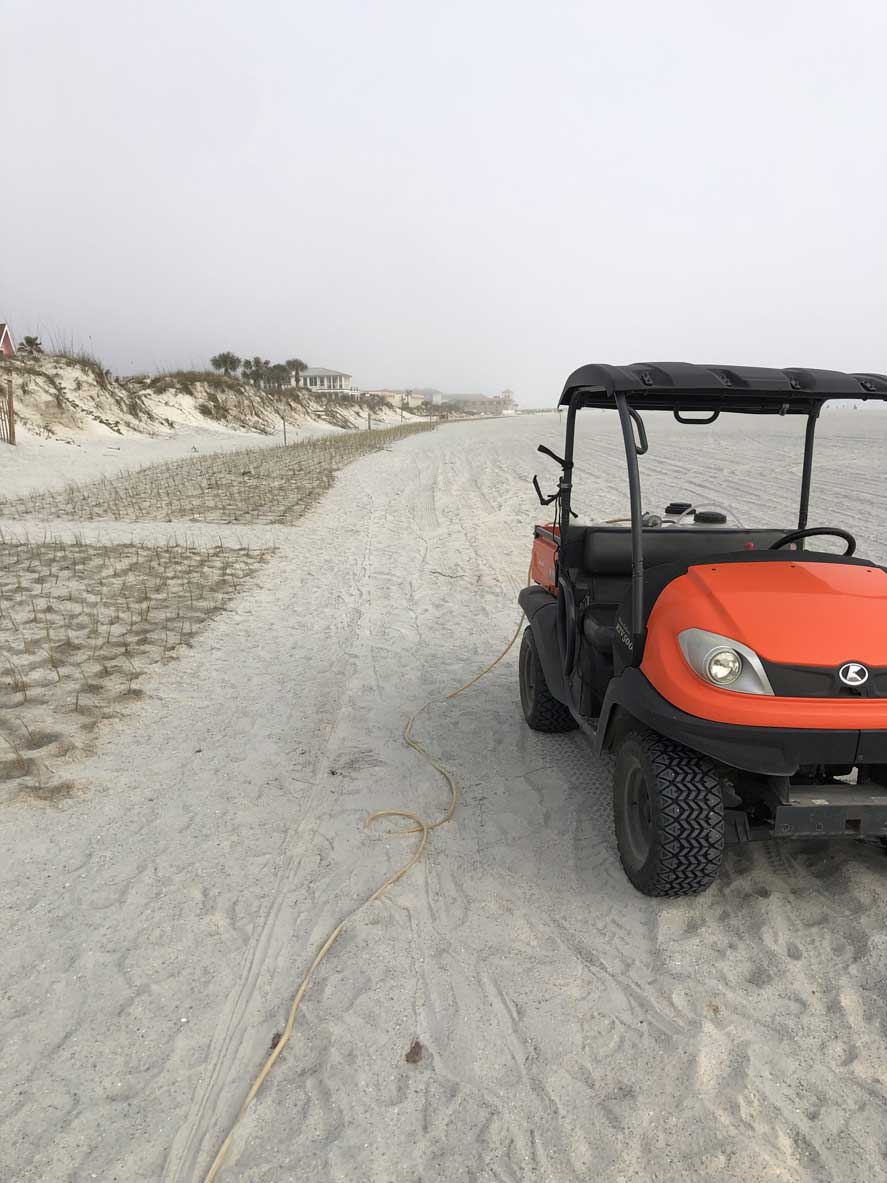
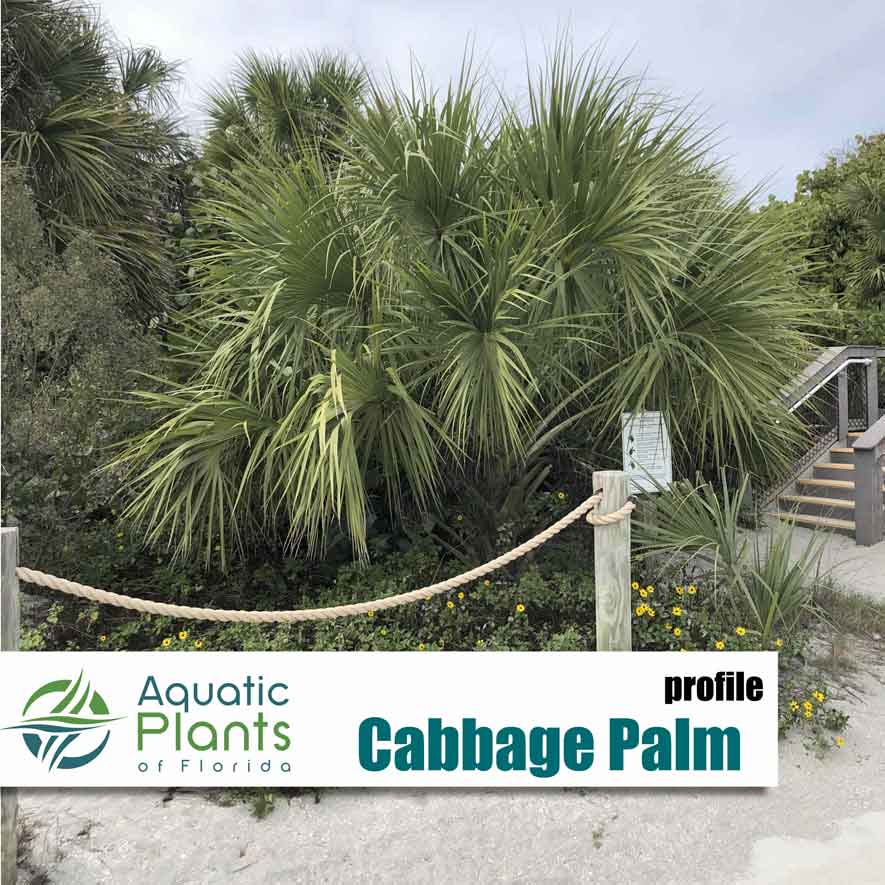
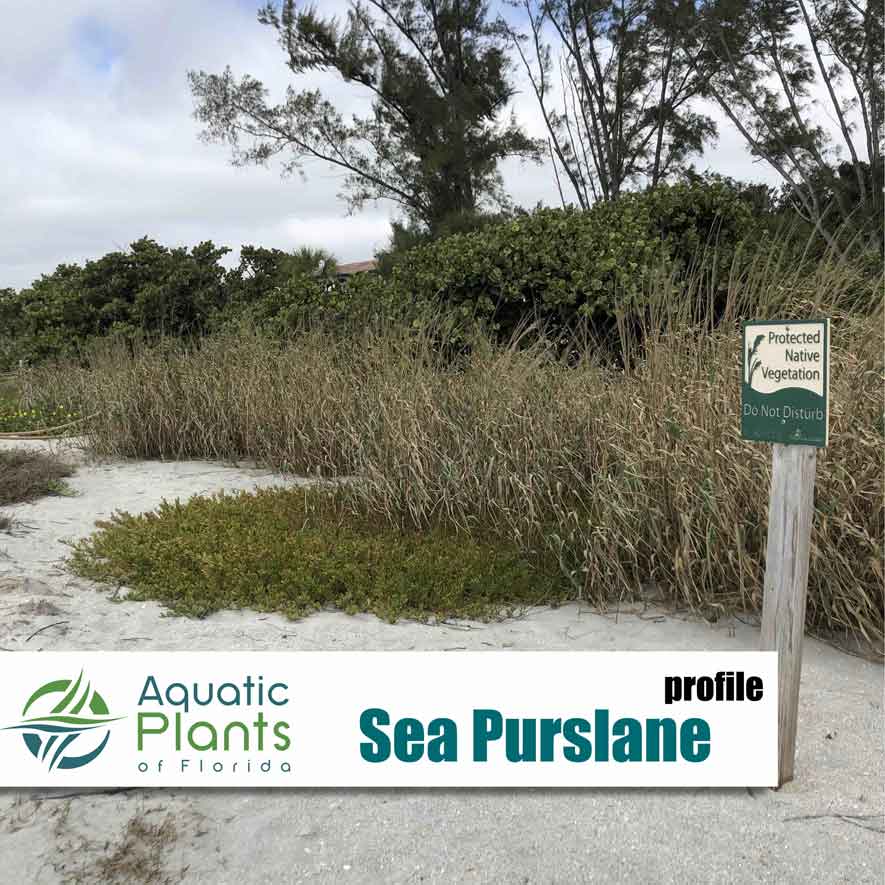
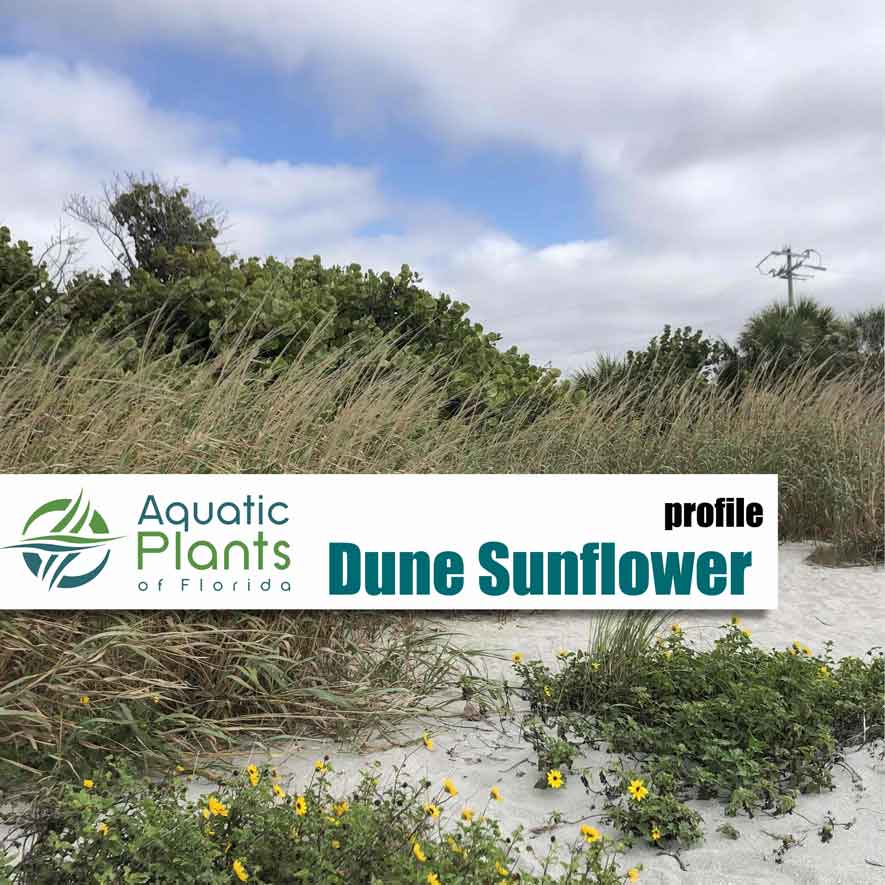
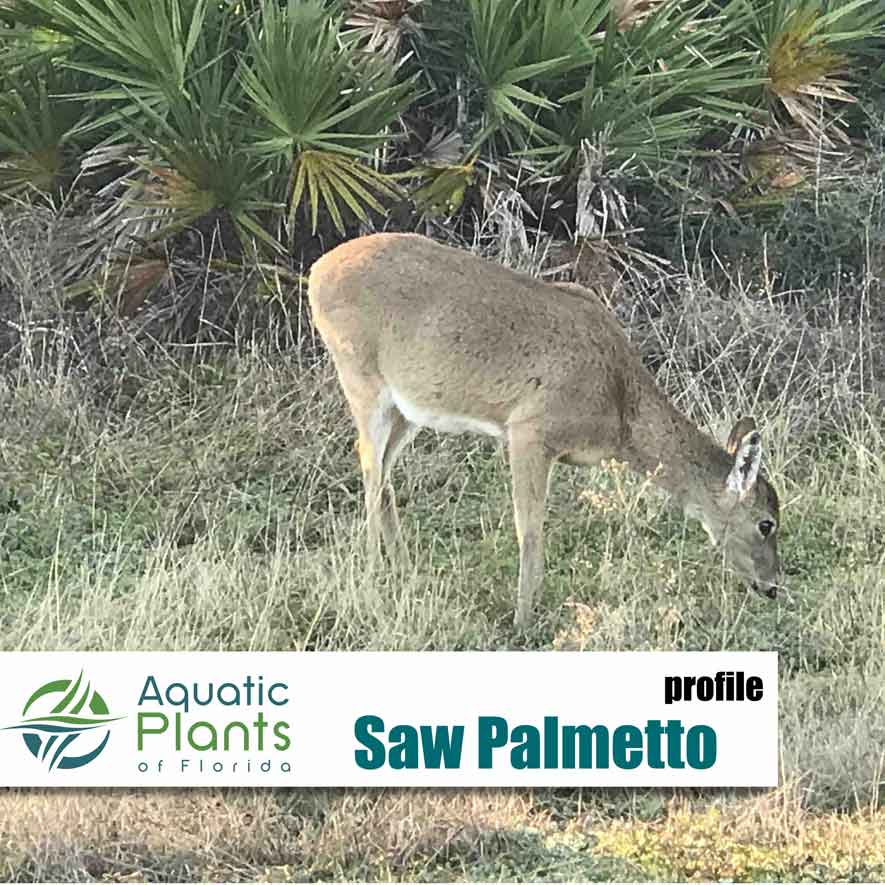
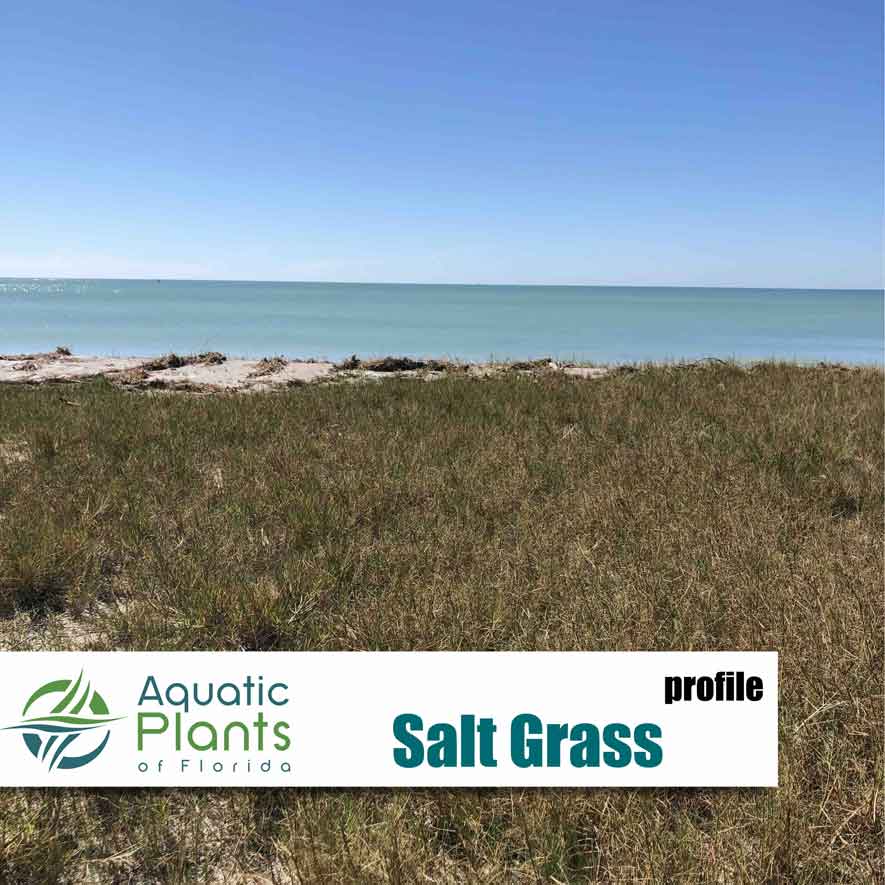
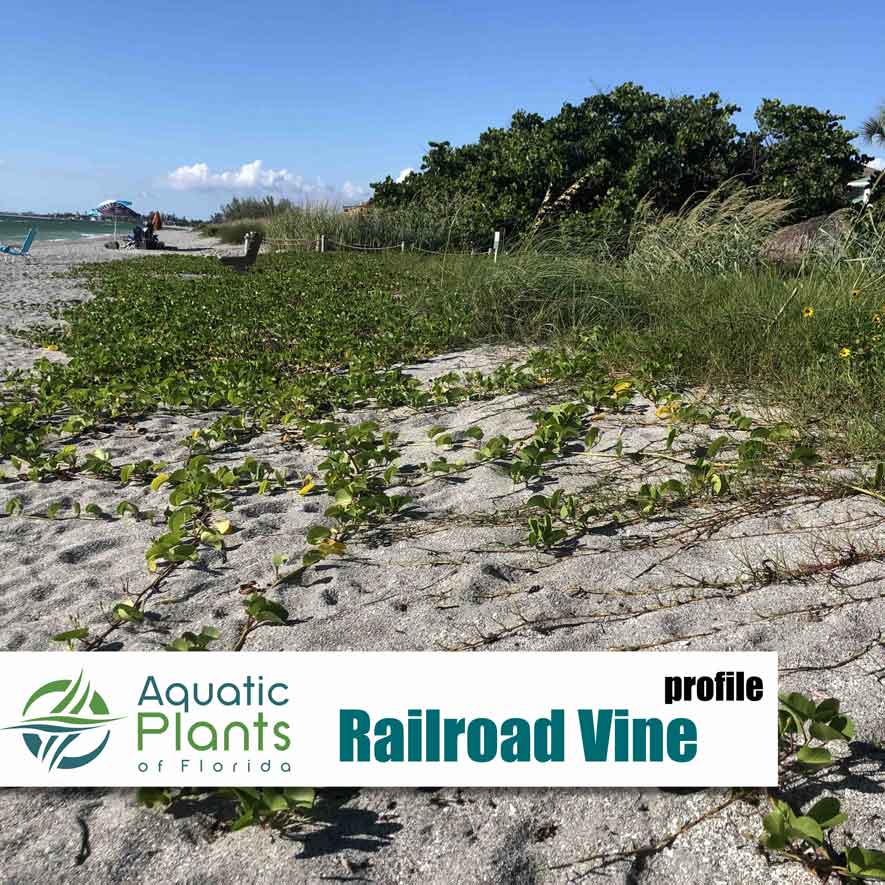
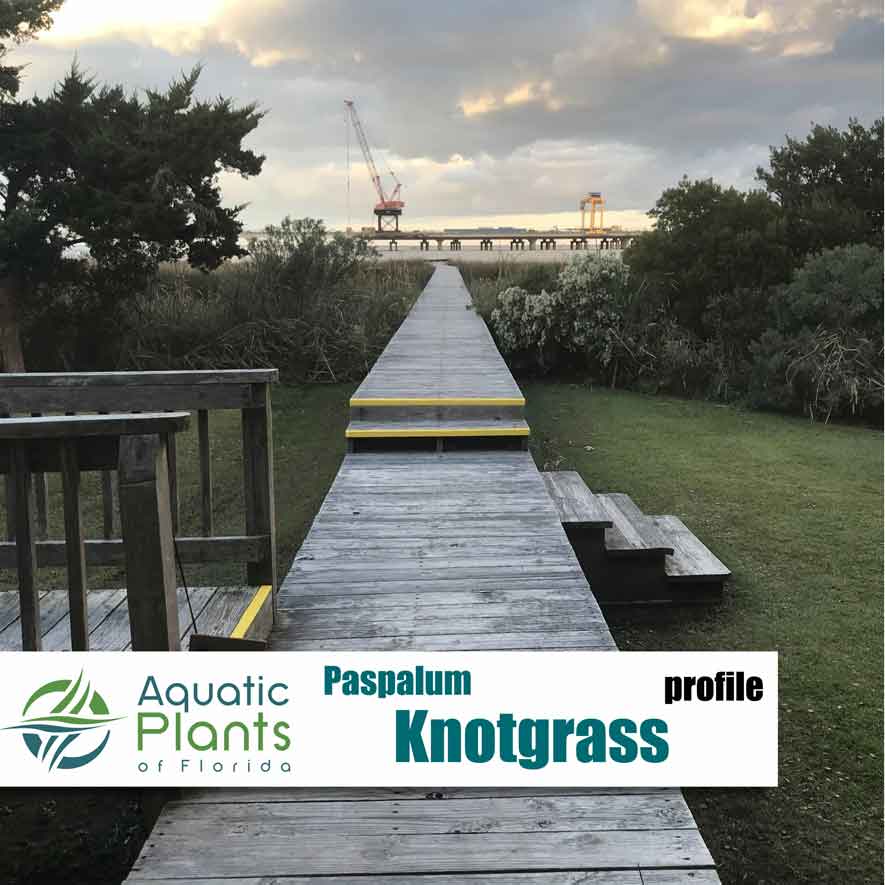
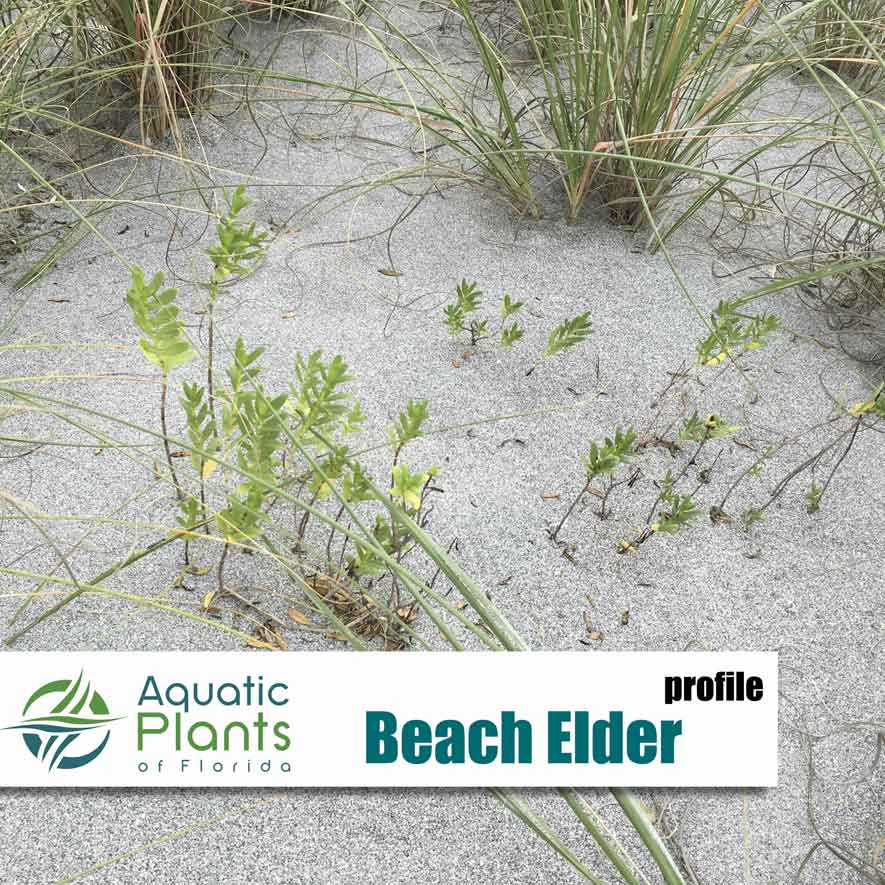
This category includes pioneer and diversity species most commonly utilized on beach and dune plantings in the Southeastern, US, Caribbean, and Gulf of Mexico regions. These plant species are hardy, salt tolerant, help stabilize natural migration of sand, protect upland structures (e.g. commercial, government, and residential), and provide benefits to wildlife (e.g. wildfowl, pollinating insects, small mammals, etc.). Most beach restoration planting projects include 80% pioneer species and 20% diversity species (80/20 rule) to promote habitat creation and offer environmental engineering benefits.
Pioneer Species (Grasses):
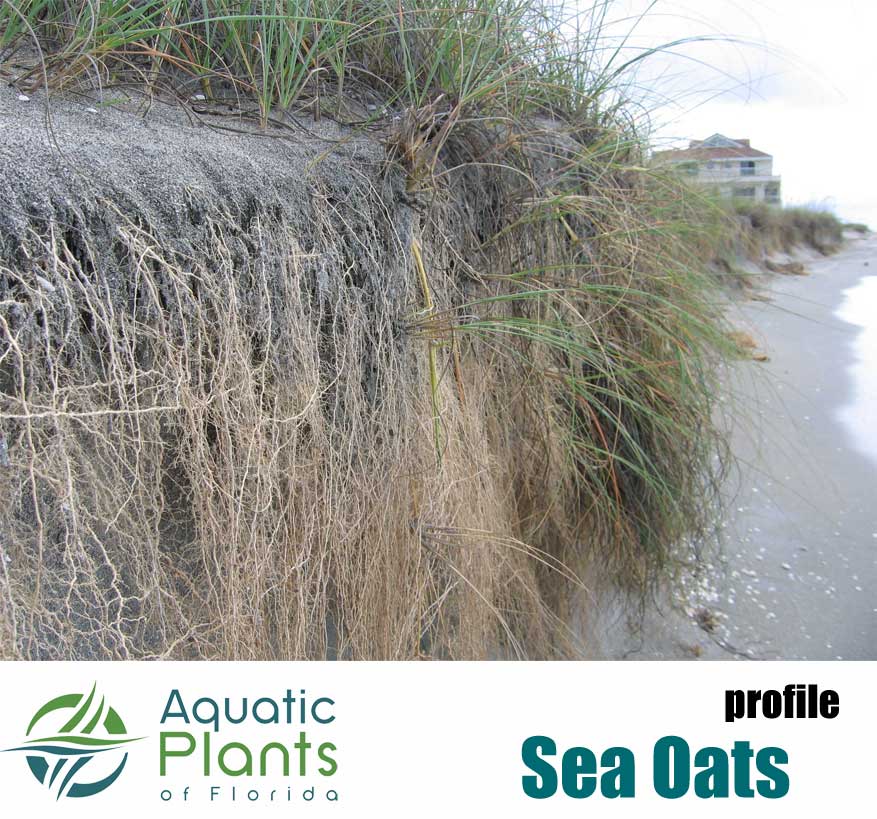
Sea Oats (Uniola paniculata)
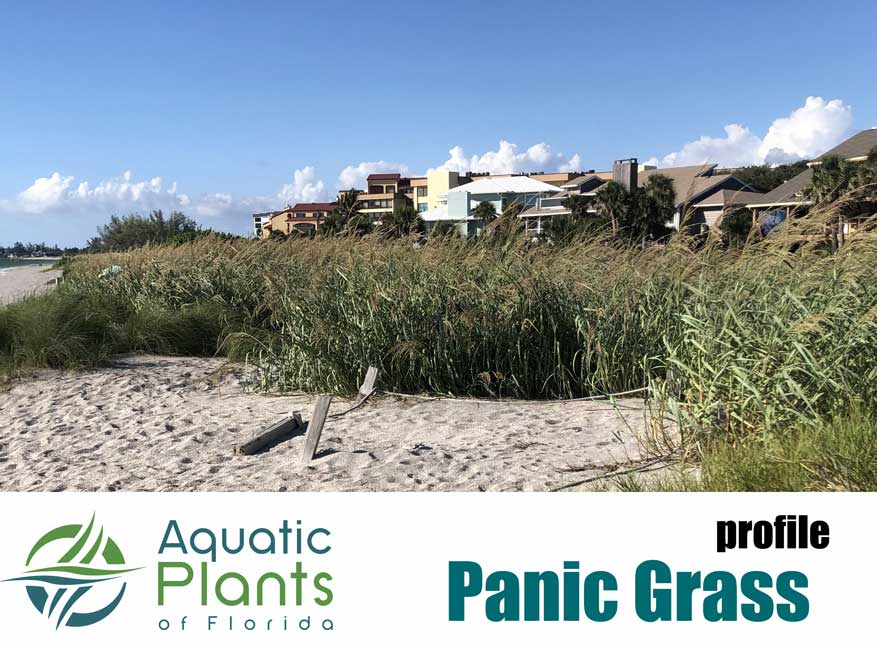
Panic Grass (Panicum amarum)
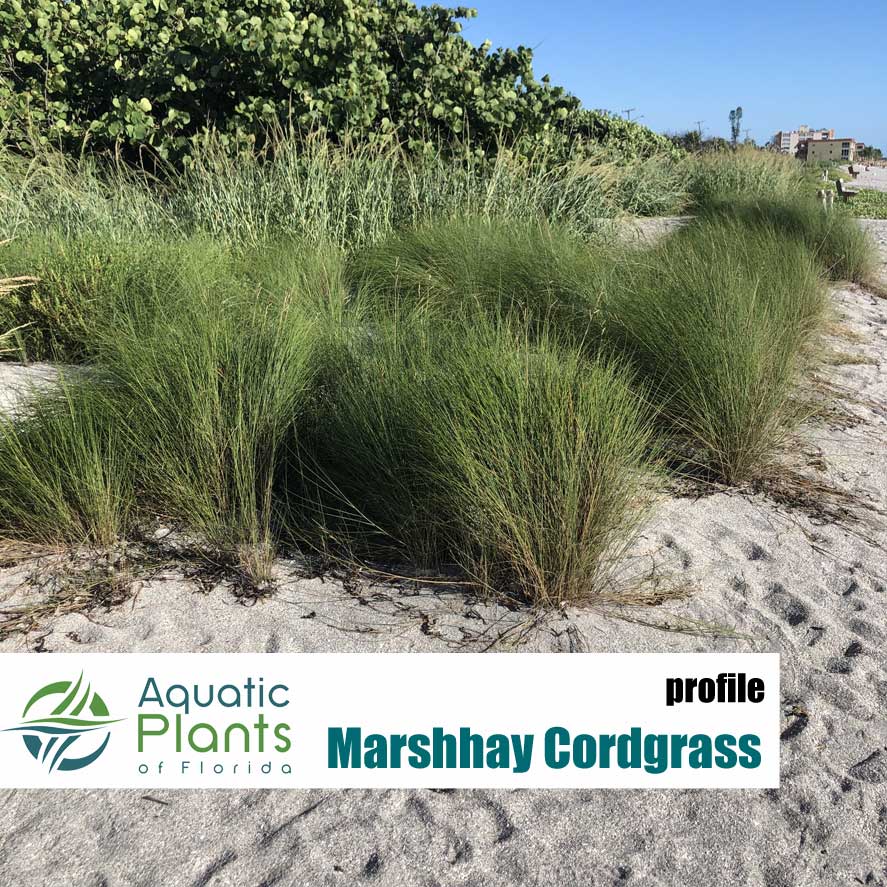
Marshhay Cordgrass (Spartina patens)
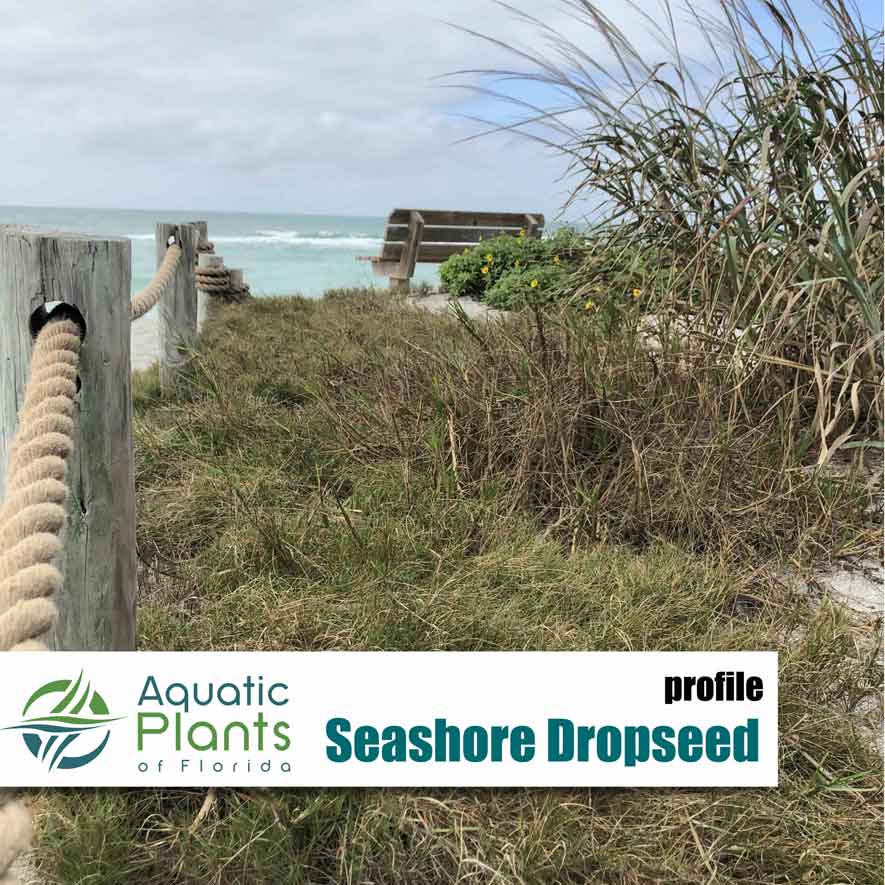
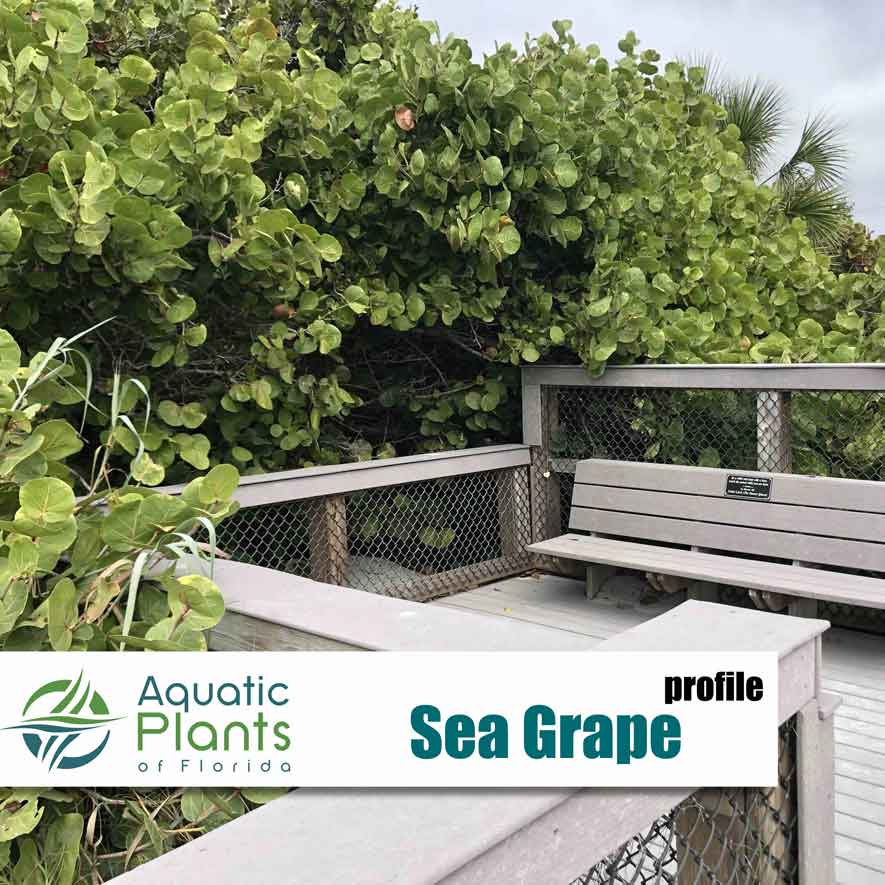
Diversity Species (Groundcover, Wildflowers, Shrubs, & Grasses):